How to Identify Native Plants on Your Walks
Understanding how to identify native plants during your outdoor walks can enhance your appreciation for local biodiversity and ensure eco-friendly practices. This article will guide you through the basics of plant identification, offering practical insights that can transform your walking experience.
Understanding the Basics of Plant Identification
Identifying native plants often involves recognizing specific characteristics that distinguish them from non-native species. According to research from the Royal Horticultural Society, native plants are those that have evolved naturally in a particular region and are well-adapted to local conditions. This understanding is crucial because native plants typically support local wildlife, promote biodiversity, and require less maintenance and resources compared to non-native varieties.
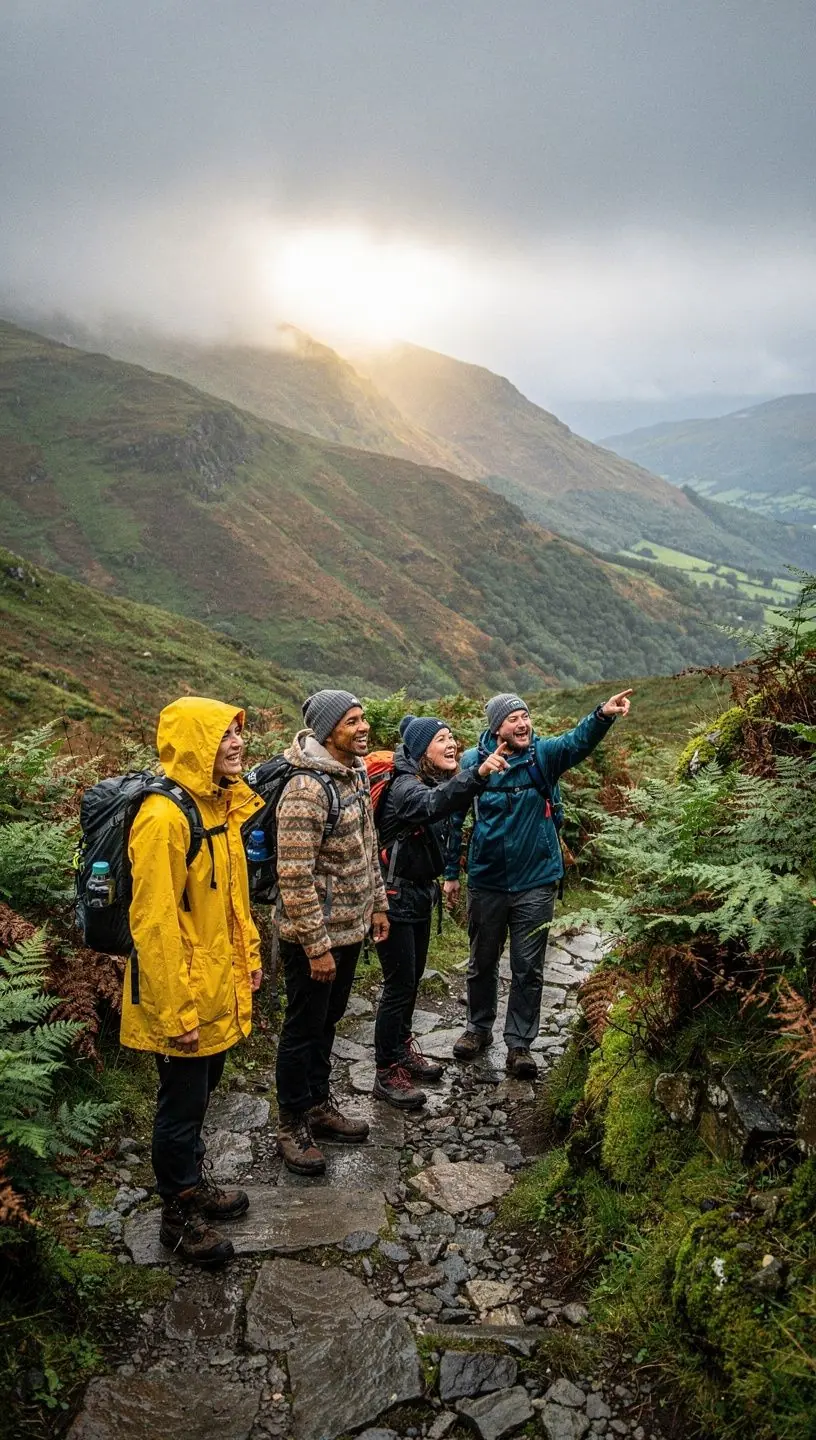
"Native plants create essential habitats and promote ecological resilience in their environments." - Ecological Society of America
Key Characteristics to Observe
When walking in parks or natural routes, consider the following characteristics to help identify native plants:
- Leaf Shape and Arrangement: Many native species have distinct leaf shapes. For instance, oak trees have lobed leaves, while maples typically feature palmate leaves.
- Flower Structure: The flowering patterns can provide clues. Native wildflowers often have specific color combinations and petal arrangements that differ from introduced species.
- Growth Habit: Note whether the plant is a shrub, tree, or herbaceous plant. For example, the native hazel tree typically grows as a small tree or large shrub.
Utilizing Resources for Identification
Many tools and resources can assist you in identifying native plants:
- Field Guides: These books provide images and detailed descriptions of native flora in specific regions. The Irish Wild Plants: A Field Guide is a useful reference for walks in Ireland.
- Mobile Apps: Applications like PlantNet and iNaturalist allow users to take photos of plants and receive identification assistance from a community of enthusiasts and experts.
- Local Botanic Gardens: Visiting local gardens can help familiarize you with native species and their habitats. Many botanic gardens in Ireland often host workshops on plant identification.
Conclusion
Identifying native plants during your outdoor activities can significantly enrich your experience and foster a deeper connection with nature. While it may require practice and patience, the benefits of understanding local flora are numerous. Taking the time to learn about these plants can help promote conservation efforts and enhance your enjoyment of the great outdoors. Remember, every walk is an opportunity to discover and appreciate the unique biodiversity of your local environment.
Discover More